
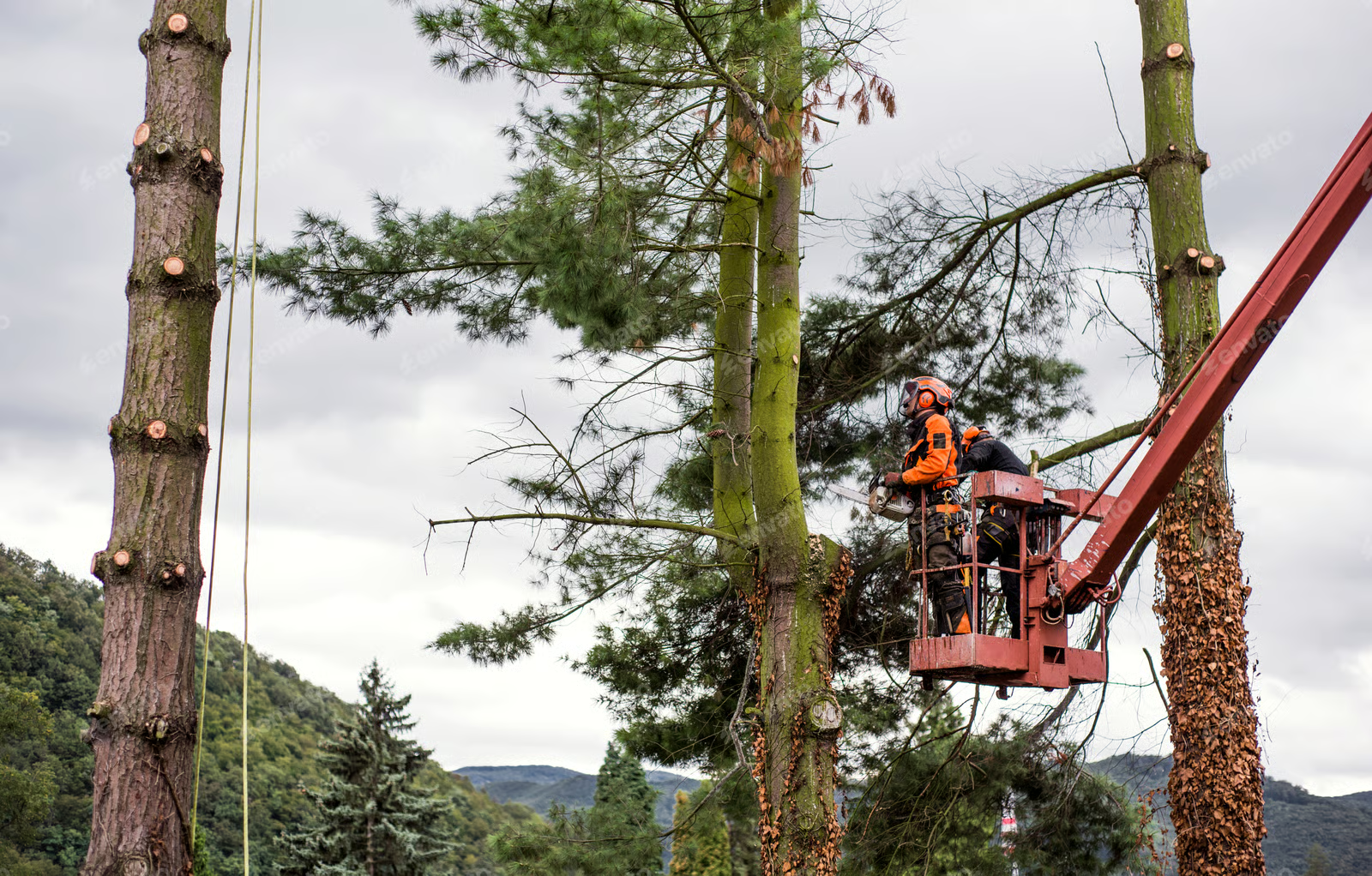
Trees add beauty and shade to any property. They also raise property value and support local wildlife. But trees need regular attention to stay healthy and safe. Storms, disease, and old age can turn a strong tree into a hazard fast. This is why many homeowners turn to Tree Services in Evans GA to keep their yards safe throughout the year.
Homeowners in Evans often face humid summers and strong storms. These conditions push trees to grow fast, but they also invite pests and root damage. A tree that looks fine from the ground may hide weak limbs or a cracked trunk. That’s why routine checks matter as much as emergency cleanup.
Understanding Local Tree Needs
Georgia’s climate supports a wide mix of trees, from oaks to pines to magnolias. Each species has its own growth pattern and set of problems. Pines often drop large limbs during wind storms. Oaks can develop root rot if water pools near the base. Knowing these patterns helps property owners plan care before trouble starts.
Soil in Columbia County tends to hold moisture well, which helps roots grow deep. But heavy rain can also weaken soil around older trees, making them prone to leaning or falling. Regular inspection catches these issues early, before a storm turns a small problem into a major one.
- Seasonal changes bring different risks: spring growth spurts, summer storms, fall leaf drop, and winter ice.
- Species-specific care matters, since a pine and an oak respond differently to pruning or fertilizing.
Common Reasons Trees Need Attention
Several signs point to a tree that needs help. Dead branches, peeling bark, and fungus at the base all suggest trouble. Leaning trunks or exposed roots often mean the tree has lost stability. Ignoring these signs can lead to property damage or injury.
Pests also cause slow damage that’s easy to miss. Insects like bark beetles bore into wood and weaken a tree from the inside out. By the time leaves turn brown, the damage may already be severe. Catching pest activity early gives a tree a better chance at recovery.
Weather plays a big role too. Georgia storms bring high winds and heavy rain, which stress branches and roots. A tree that survived one storm may not survive the next without support. This is where arbor care solutions in the local area become useful, since trained crews know how to spot weak points before they fail.
What Professional Tree Care Includes
Caring for trees goes beyond cutting branches. A full approach looks at the whole tree, from roots to canopy. Here’s what typically falls under this kind of work:
- Pruning and trimming to remove dead or weak limbs and shape healthy growth
- Removal of trees that pose a safety risk or have died completely
- Stump grinding to clear space and prevent regrowth or pest nests
- Health assessments to catch disease or insect damage early
- Storm cleanup to clear fallen limbs and reduce further risk
Each of these steps supports the tree’s long-term health. Skipping one, like ignoring a health check, can let small problems grow into bigger ones. A trained crew looks at the full picture instead of just the surface issue.
Why DIY Tree Work Often Falls Short
Many homeowners try to handle tree care themselves. Cutting a small branch or clearing light debris is fine. But larger jobs carry real risk. Climbing a ladder near power lines or cutting a leaning trunk without the right tools can lead to injury or property damage.
Trained crews use equipment built for the job, like cranes, chippers, and safety harnesses. They also carry insurance, which protects the homeowner if something goes wrong. A fallen branch that hits a roof or a car becomes a costly problem without proper coverage.
Beyond safety, professionals know how to cut in ways that help a tree heal. Poor cuts can invite disease or cause uneven growth. This is one reason residential yard maintenance benefits from trained hands rather than guesswork. A clean cut heals faster and keeps the tree stronger for years to come.
Choosing the Right Approach for Your Property
Every yard is different, so tree care should match the specific setup. A property with tall pines near the house needs a different plan than one with a few young oaks in an open yard. Thinking through a few factors helps set the right course.
Consider the age and size of the trees on the property. Older, larger trees often need more frequent checks, since they carry more weight and face more stress from wind. Younger trees may only need occasional pruning to guide healthy shape as they grow.
Location matters too. Trees near power lines, driveways, or the house itself carry higher risk if they fail. These spots deserve closer attention and quicker action when a problem shows up. A tree far from any structure may allow more time to plan next steps.
Tree Services in Evans GA cover this full range of needs, from routine trims to full removal. Local crews understand the area’s soil, weather patterns, and common tree species, which helps them give accurate advice instead of generic guesses.
Signs It’s Time to Call a Professional
Some situations call for outside help right away. Waiting too long can turn a manageable job into an emergency. Watch for these warning signs:
Cracks in the trunk, large dead branches overhead, or roots pushing up through the ground all point to instability. Mushrooms growing at the base often signal internal rot, which weakens the tree from within. If a tree leans more than it used to, that’s a clear sign something has shifted underground.
Storm damage also calls for a fast response. A split limb hanging in a tree can fall without warning. Clearing this kind of hazard safely takes the right gear and know-how, which is why quick action from trained crews matters after severe weather.
Keeping Trees Healthy Over Time
Good tree care isn’t a one-time task. It works best as an ongoing routine, much like maintaining a lawn or a home’s exterior. Scheduling checks once or twice a year helps catch problems before they grow. Watering during dry spells and keeping mulch away from the trunk also support root health.
Fertilizing at the right time of year gives trees the nutrients they need to fight off disease and recover from stress. This kind of steady attention keeps a yard looking full and green while lowering the risk of sudden tree failure.
Local tree removal experts often recommend a simple yearly checklist: inspect for damage, trim as needed, and clear any dead wood before storm season hits. This small effort goes a long way toward protecting both the trees and the property around them.
Final Thoughts
Trees bring real value to a property, but they need consistent care to stay safe and healthy. From spotting early warning signs to handling storm damage, a proactive approach protects both people and homes. Skipping regular checks often costs more in the long run, whether through property damage or the loss of a tree that could have been saved.
For homeowners in the area, Stallion Tree Professionals stands out as the best choice for tree care in Evans, GA and the surrounding communities. Their trained crews bring the knowledge and equipment needed to keep every yard safe, healthy, and looking its best.
Frequently Asked Questions
How often should trees be inspected?
Most trees benefit from a checkup once or twice a year, especially before and after storm season.
What are signs a tree needs to be removed?
Look for large dead branches, a leaning trunk, exposed roots, or fungus growing at the base. These often mean the tree has become unstable.
Can storm-damaged trees be saved?
It depends on the extent of the damage. A trained crew can assess whether pruning will help or if removal is the safer option.
Is stump grinding necessary after removal? Grinding a stump prevents regrowth and removes a spot where pests can nest. It also clears the area for new landscaping.
How much does tree trimming usually cost?
Cost depends on tree size, location, and condition. Getting a direct quote from a local crew gives the most accurate number.
Do trees near power lines need special care?
Yes. Trees close to power lines need careful trimming to avoid hazards, and this work should always go to a trained crew with the right safety equipment.